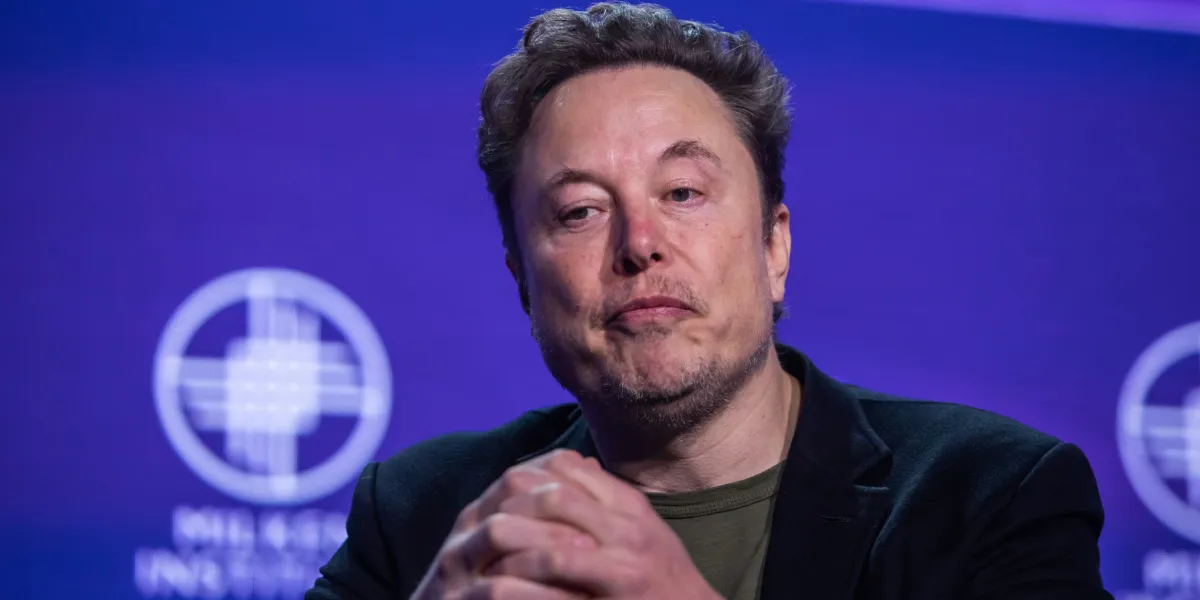
Forbes also downgraded Musk’s status, but gave him a few extra million than Bloomberg did: $962 billion, after removing $116 billion of restricted Tesla stock from its math. The two trackers still agree on the durable fact: he is still, by a wide margin, the richest person on the planet. (Larry Page trails far behind as the world’s second richest person, with a net worth hovering around $300 billion).
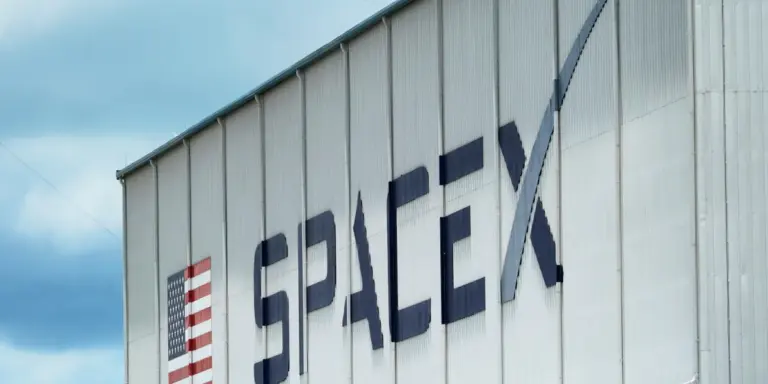
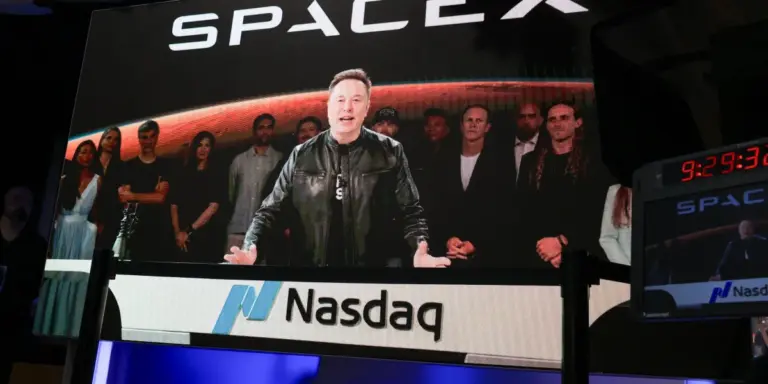
The round-trip excursion into trillionaire status was sponsored by SpaceX. The company priced its IPO at $135 a share and on June 12, raised a record $85.7 billion at a valuation near $1.77 trillion. Retail buyers chasing Musk’s dream of data centers in space and an eventual Mars settlement pushed the stock to about $225 on June 16, briefly valuing the company close to $2 trillion. However, by Tuesday’s close, it sat near $156, roughly 30% off the peak, and slipped further Wednesday, briefly dipping below the first-day pop price of $150.
Musk’s stake, about 40% of the company, still accounts for the bulk of his fortune; Bloomberg pegs it around $744 billion, or about four-fifths of everything he owns. Scholars have raised concerns about the highly-concentrated nature of the SpaceX governance structure, in that shareholders have unusually little amount of control over the company’s future. The MSCI rated SpaceX a CCC, its worst rating, for its governance structure.
But the other side of Musk’s control is that when the stock goes down, his net worth fluctuates also.
Two forces pulled the stock since the exuberant IPO-week. One was macro: investors priced in the possibility of one or more interest rate hikes after the Fed’s hawkish June meeting, which established the same higher-for-longer backdrop now lifting the dollar to a 13-month high and dragging oil and gold lower.
The other was specific to SpaceX: confirmation of a planned bond sale, reported at roughly $20 billion to $25 billion, which raised the obvious question about why a capital-intensive company issuing debt at a valuation that had just outrun its IPO price. Debt-buyers showed high demand for the bonds, but for the shorter-dated ones, about five years; a less risky purchase than some of the longer term debt that Musk wants to auction off.
About the Author