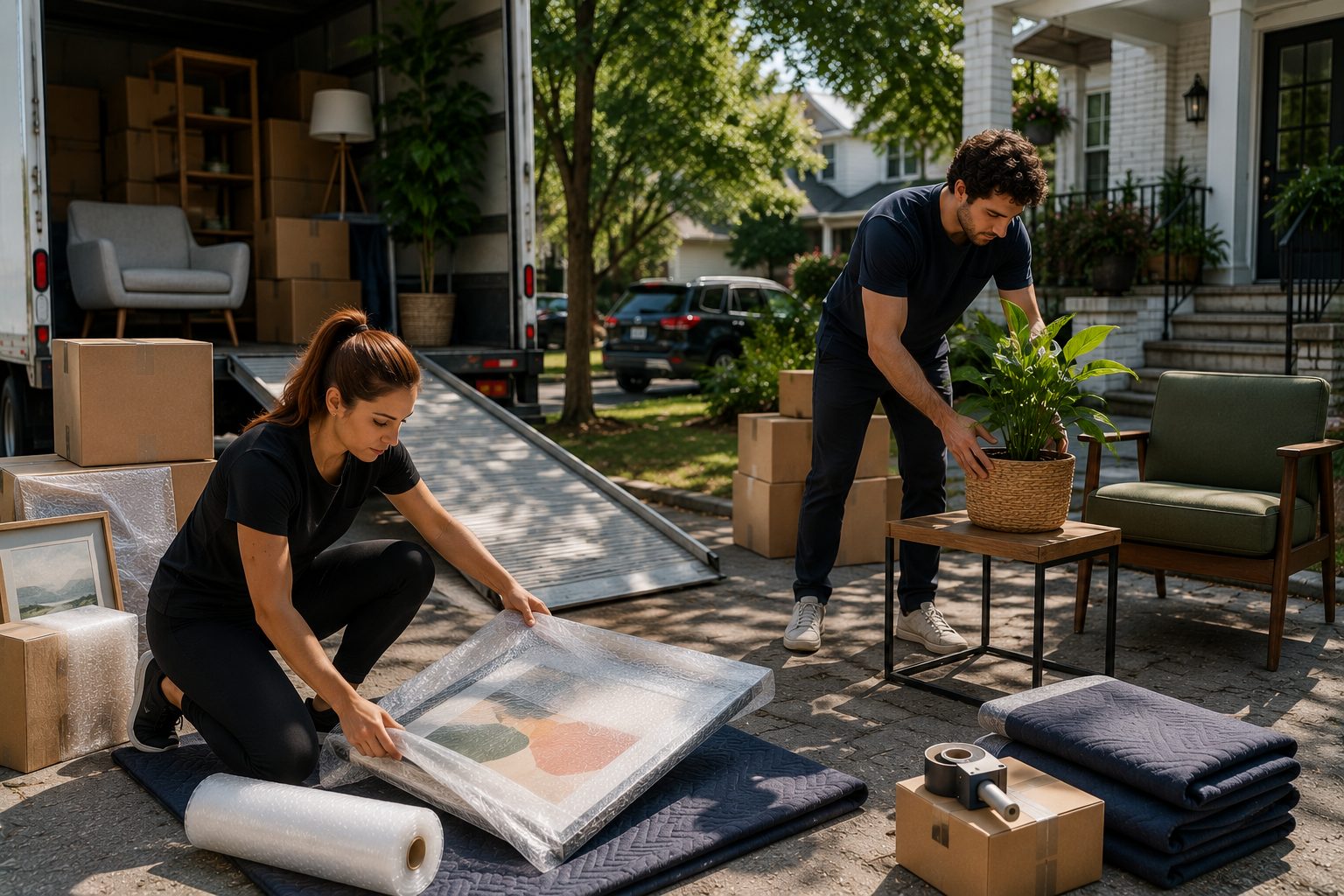
Coastal homes have a distinctive character. They often combine comfortable indoor spaces with patios, porches, garages, and storage areas filled with everything from beach equipment to outdoor furniture. When it is time to relocate, that variety can make packing and transportation more complicated than an ordinary household move.
Humidity, sand, salt exposure, oversized recreational equipment, and weather-sensitive belongings all deserve consideration. A successful move from a Wilmington coastal property starts by treating these items according to their individual needs rather than putting everything into boxes and hoping for the best.
Begin With a Coastal Home Inventory
Walk through the property systematically and make a list of everything that will be transported. Include belongings stored outside the main living areas, such as garages, sheds, screened porches, attics, and outdoor storage cabinets.
Separate possessions into practical groups: furniture, electronics, kitchenware, clothing, decorations, outdoor equipment, and fragile items. This makes it easier to determine which belongings need specialized protection.
For homeowners relocating elsewhere in North Carolina, https://milestonerelocation.com/greensboro can also be useful when researching professional moving resources and considering the logistics of transporting household goods between cities.
Look Closely at Outdoor Belongings
Coastal properties frequently contain items that have spent considerable time exposed to moisture, sunlight, sand, and salt air. Clean outdoor furniture, bicycles, grills, storage containers, and recreational equipment before packing them.
Anything washed or rinsed should be completely dry before it is wrapped or placed in an enclosed truck. Trapped moisture can create unpleasant odors and potentially damage certain materials during transportation.
Protect Furniture From Coastal Conditions
Wooden furniture, upholstered seating, artwork, and electronics deserve additional attention during a coastal relocation.
Wrap Sensitive Surfaces
Use appropriate protective coverings for wood finishes, upholstery, glass, and painted surfaces. Do not place adhesive tape directly on furniture finishes or fabric.
Pay particular attention to furniture that has been kept near open windows or exterior doors. Dust and fine sand can accumulate in seams and underneath cushions, so cleaning these areas before wrapping is worthwhile.
Glass tabletops and mirrors should be separated from heavier furniture whenever possible and protected against impact. Small decorative pieces should be packed in sturdy cartons with suitable cushioning.
For residents planning a Wilmington move, https://milestonerelocation.com/wilmington/ provides a convenient starting point for exploring local relocation assistance.
Give Beach Gear Its Own Strategy

One of the most easily overlooked categories in a coastal move is recreational equipment. Paddleboards, surfboards, beach chairs, umbrellas, bicycles, coolers, fishing equipment, and similar items can have unusual shapes that complicate loading.
Clean and Group Equipment
Rinse salt and sand from appropriate equipment and allow everything to dry thoroughly. Group similar items together so they can be loaded efficiently.
Long boards and poles should be positioned where they cannot shift into fragile belongings. Small accessories should be collected into labeled containers rather than scattered throughout the truck.
If an item has removable fins, stands, racks, or other components, keep those parts together and label them clearly.
Think About Weather on Moving Day
Coastal weather can change quickly. Rain, strong humidity, and high temperatures may influence how long furniture and boxes can remain exposed during loading.
Keep essential protective materials readily accessible rather than buried in the truck. Important personal belongings, documents, medications, chargers, and overnight necessities should remain with you.
Plan the Truck Access
Before moving day, identify where the truck can park and whether the driveway, street, or property entrance presents any limitations. A coastal property may have landscaping, gates, narrow access points, or other obstacles that affect loading.
Professional Movers in Wilmington can work more efficiently when these details are communicated ahead of time. A clear route also reduces the amount of time furniture and cartons spend outdoors.
Prepare the Destination Before Arrival
The new property should be ready before the truck arrives. Clear hallways, doorways, garages, and outdoor areas where belongings will be placed.
Decide where major furniture should go in advance. This is particularly useful when moving bulky coastal furnishings that would be difficult to reposition repeatedly.
Check Belongings as They Are Unloaded
As furniture and larger items arrive, inspect them before removing all protective coverings. Look over corners, upholstery, glass, finishes, and hardware.
A coastal relocation involves more than transporting boxes from one address to another. Cleaning outdoor belongings, protecting sensitive materials, organizing beach equipment, planning truck access, and preparing the destination all contribute to a smoother experience. With thoughtful preparation and reliable moving support, household goods from a Wilmington coastal property can make the journey safely and arrive ready for their next home.
About the Author